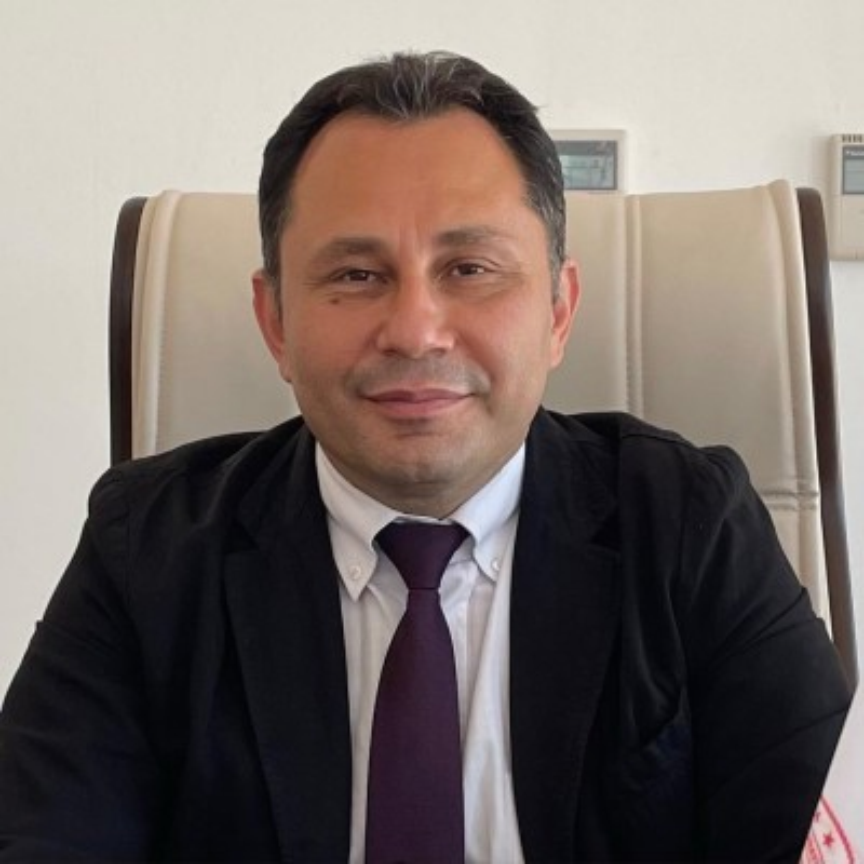
Keynote Speaker
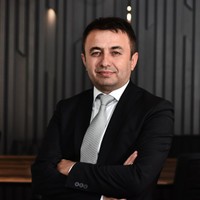
Prof. Adil Mardinoğlu
King's College London, UK
SciLifeLab, KTH Royal Institute of Technology, Sweden
▼ Click to expand bio
Prof. Adil Mardinoğlu is Professor of Systems Biology at the Centre for Host–Microbiome Interactions, King's College London, and a group leader at the Science for Life Laboratory (SciLifeLab), KTH Royal Institute of Technology, Stockholm. His team combines multi-omics data, genome-scale metabolic modelling, systems biology and artificial intelligence with experimental biology and drug development to design novel treatment strategies for metabolic and neurodegenerative diseases as well as certain cancers. A key contributor to the Human Protein Atlas and the international Human Cell Atlas initiatives, he has authored more than 290 research and review articles in journals including Science, Nature, Nature Biotechnology, Cell Metabolism and Nature Communications, and is a co-founder of several biotech companies, including ScandiBio Therapeutics.
Keynote Speaker
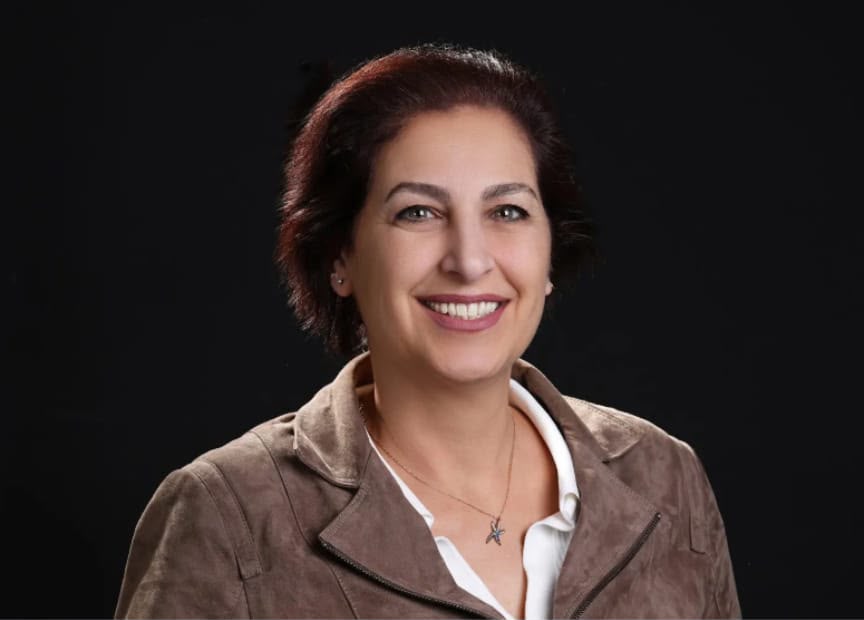
Prof. Canan Atılgan
Sabancı University
Faculty of Engineering and Natural Sciences
▼ Click to expand bio
Canan Atılgan received her B.S. and Ph.D. degrees in Chemical Engineering from Boğaziçi University. Following postdoctoral research at Florida State University, she joined Sabancı University in 1999, where she is currently Professor in the Faculty of Engineering and Natural Sciences. Her research lies at the interface of physics, biology, and network science, employing molecular simulations, network models, and machine learning to investigate protein structure, dynamics, and function. Her work spans fundamental questions in computational biophysics and applications ranging from antibiotic resistance to fluorescent biosensor design. She is an elected member of EMBO, Academia Europaea, and the Science Academy, Türkiye (Bilim Akademisi), which she served as President from 2021 to 2024. She is also engaged in science policy and initiatives promoting scientific integrity, open science, and the dissemination of scientific knowledge.
Invited Speaker
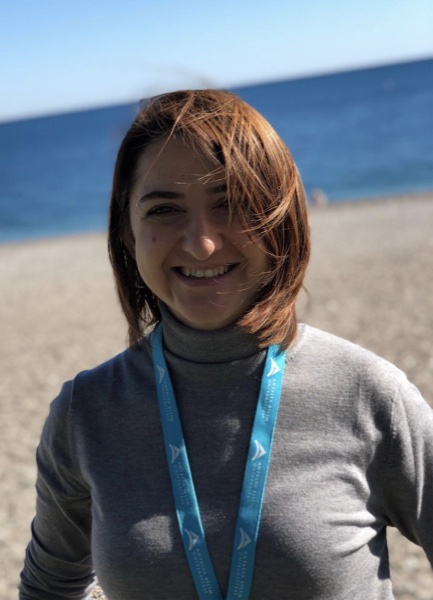
Assoc. Prof. Öznur Taştan Okan
Sabancı University
Computer Science and Engineering
▼ Click to expand bio
Dr. Öznur Taştan Okan is an Associate Professor of Computer Science and Engineering at Sabancı University, Istanbul, where she is also affiliated with the Molecular Biology, Genetics and Bioengineering program. She received her PhD (2011) and MSc (2007) from the School of Computer Science at Carnegie Mellon University, worked as a postdoctoral researcher at Microsoft Research New England, and was a faculty member at Bilkent University before joining Sabancı University. Her research lies at the intersection of machine learning and computational biology, developing machine learning and deep learning methods that leverage large-scale molecular profiling data to uncover the molecular basis of cellular processes and diseases. She serves as co-president of the ISCB Machine Learning in Computational and Systems Biology (MLCSB) community and as an associate editor of IEEE/ACM Transactions on Computational Biology and Bioinformatics.
Invited Speaker
Assoc. Prof. Özge Şensoy
İstanbul Medipol University
School of Engineering and Natural Sciences
▼ Click to expand bio
Dr. Özge Şensoy is an Associate Professor at the School of Engineering and Natural Sciences, İstanbul Medipol University, where she leads the Computational Biophysics Laboratory. Her research aims to reveal the molecular mechanisms of biologically relevant processes and to design targeted and safe therapeutic molecules using molecular dynamics simulations, enhanced sampling techniques, molecular docking, virtual screening and free-energy calculations, with particular interests in allostery, G protein-coupled receptors, RAS proteins and antibiotic resistance. Working in close collaboration with experimental groups in biochemistry, molecular biology and medicinal chemistry, she received the TÜBA-GEBİP Outstanding Young Scientist Award (2023) for her work on computational physics and structural biology.
Invited Speaker
Prof. Dr. Ivet Bahar
Stony Brook University, USA
Laufer Center for Physical and Quantitative Biology
▼ Click to expand bio
Prof. Dr. Ivet Bahar is the Director of the Laufer Center for Physical and Quantitative Biology and a Professor of Biochemistry and Cell Biology at Stony Brook University. Prior to this, she was Distinguished Professor and Founding Chair of the Department of Computational and Systems Biology at the University of Pittsburgh School of Medicine. She received her BS and MS degrees in Chemical Engineering from Boğaziçi University and earned her PhD in Physical Chemistry from Istanbul Technical University. An internationally recognized pioneer in structural biology and computational biophysics, Prof. Bahar developed elastic network models (such as the Gaussian Network Model and Anisotropic Network Model) for understanding biomolecular dynamics, allosteric regulation, and drug discovery. She is an elected member of the US National Academy of Sciences (NAS), a member of the European Molecular Biology Organization (EMBO), and a fellow of the Biophysical Society.
Invited Speaker
Dr. Ege Ülgen
Genomics England, UK
Bioinformatics Engineer
▼ Click to expand bio
Ege Ülgen, MD, PhD, is a bioinformatics professional with a background spanning medicine, bioinformatics, and cancer genomics. He received his medical degree from Acıbadem University, followed by a PhD in Biostatistics and Bioinformatics. He also conducted postdoctoral research at Yale School of Medicine, focusing on neurogenetics and brain tumours. Ege has worked extensively on genomic data analysis and genomics sequencing, particularly in cancer and specifically glioma research. He currently works as a Bioinformatics Engineer at Genomics England, where he designs and develops software solutions supporting the Cancer Genomic Medicine Service, with a focus on robust, scalable, and reliable analysis of genomic and clinical data.
Invited Speaker
Asst. Prof. Onur Emre Onat
Bezmialem Vakıf University
Institute of Life Sciences and Biotechnology
▼ Click to expand bio
Dr. Onur Emre Onat received his B.Sc. in Molecular Biology and Genetics from Boğaziçi University and completed his M.Sc. and Ph.D. at Bilkent University, focusing on the genetic etiology of rare diseases and cerebellar hypoplasia (CAMRQ). During his postdoctoral research conducted collaboratively between Rockefeller and Bilkent Universities, he investigated hunger/satiety signaling, metabolic and neurodegenerative disorders, and complex traits related to circadian rhythm, while contributing to large-scale genome and DNA databases. As the head of Onat Lab, he integrates next-generation sequencing (NGS), statistical genomics, machine learning, and computational biology with classical molecular genetics. His research focuses on identifying disease-causing variants, developing novel analytical algorithms, and translating large-scale multi-omics datasets into precision medicine and clinical applications. His work has been widely published in leading journals including Cell, Nature Genetics, Genome Research, and PNAS.
Invited Speaker
Assoc. Prof. Barış E. Süzek
Muğla Sıtkı Koçman University
Department of Computer Engineering
▼ Click to expand bio
Assoc. Prof. Barış E. Süzek is a faculty member and Department Chair in the Department of Computer Engineering at Muğla Sıtkı Koçman University. He received his BS in Computer Engineering from Middle East Technical University (METU), his MS in Computer Science from Johns Hopkins University, and his PhD in Bioinformatics and Computational Biology from George Mason University.Prior to joining Muğla Sıtkı Koçman University, Dr. Süzek served as Associate Team Lead in Bioinformatics at the Protein Information Resource (PIR) and held an appointment as Adjunct Assistant Professor at Georgetown University Medical Center. He contributed extensively to major international bioinformatics initiatives, notably UniProt and the development of the UniRef (UniProt Reference Clusters) system. His current research focuses on bioinformatics, machine learning applications in virus–host interactions, next-generation sequencing data analysis, and biological data integration.